Local cleanup guides
Planning a Portland home cleanout, one decision at a time
A home cleanout becomes more manageable when you separate sorting, moving, and disposal into different decisions. Here is a practical way to organize the work before booking a service.

Set the boundaries of the job
Decide which rooms or spaces are included and what finished means for each one. Clearing a garage enough to park a car is different from emptying an entire property. Write a short list so the cleanup does not keep expanding while you work.
Create distinct areas for items to keep, items to consider for reuse, and material you need removed. Set important documents and personal items aside early. Check the requirements of any donation or reuse destination directly; do not assume a hauler will donate particular items.
Count bulky items and note their route outside
Furniture and appliances need more than an estimate of volume. Note where each item is located and how it would leave the home. Stairs, gates, parking, and the distance to the loading area are useful quote details.
Oregon Recycling names Sellwood, Downtown Portland, St. Johns, Southeast Portland, and North Portland among its Portland service areas. Wherever your project sits, send the actual address and describe the access instead of relying on the neighborhood name alone.
Choose the removal arrangement
A dumpster can work well when you have several days and the help to load. Junk removal is worth discussing when you need help getting items out. A smaller, gradual cleanup may be a reason to ask about the dumpster bag. A ready load with sufficient help may suit Load n’ Go’s one-hour window.
Compare those options using the same item list and timeframe. Confirm accepted items and pricing for the specific job. Appliances, electronics, hot tubs, and other special-handling categories should be discussed individually.
Think about placement before the cleanup weekend
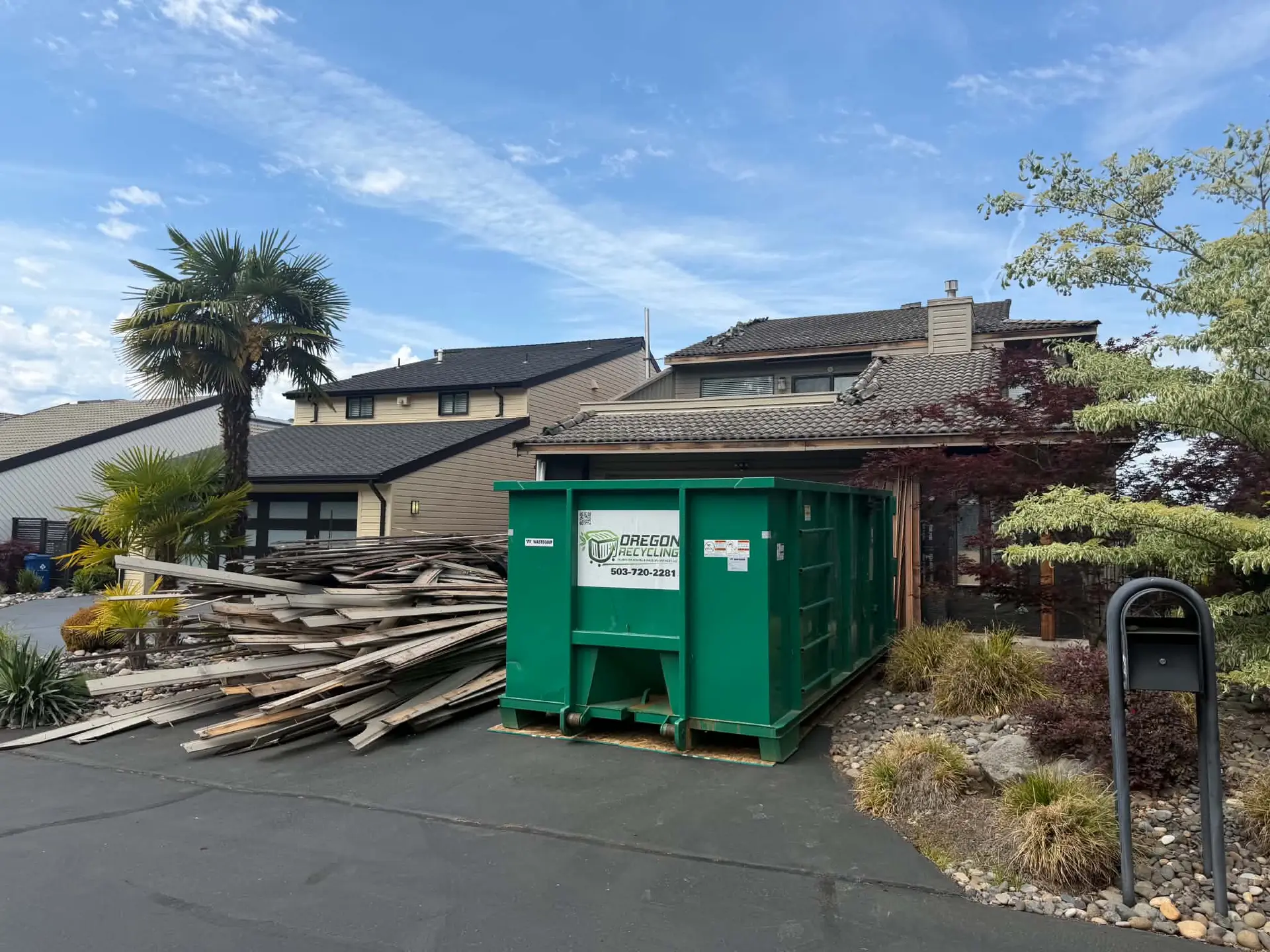
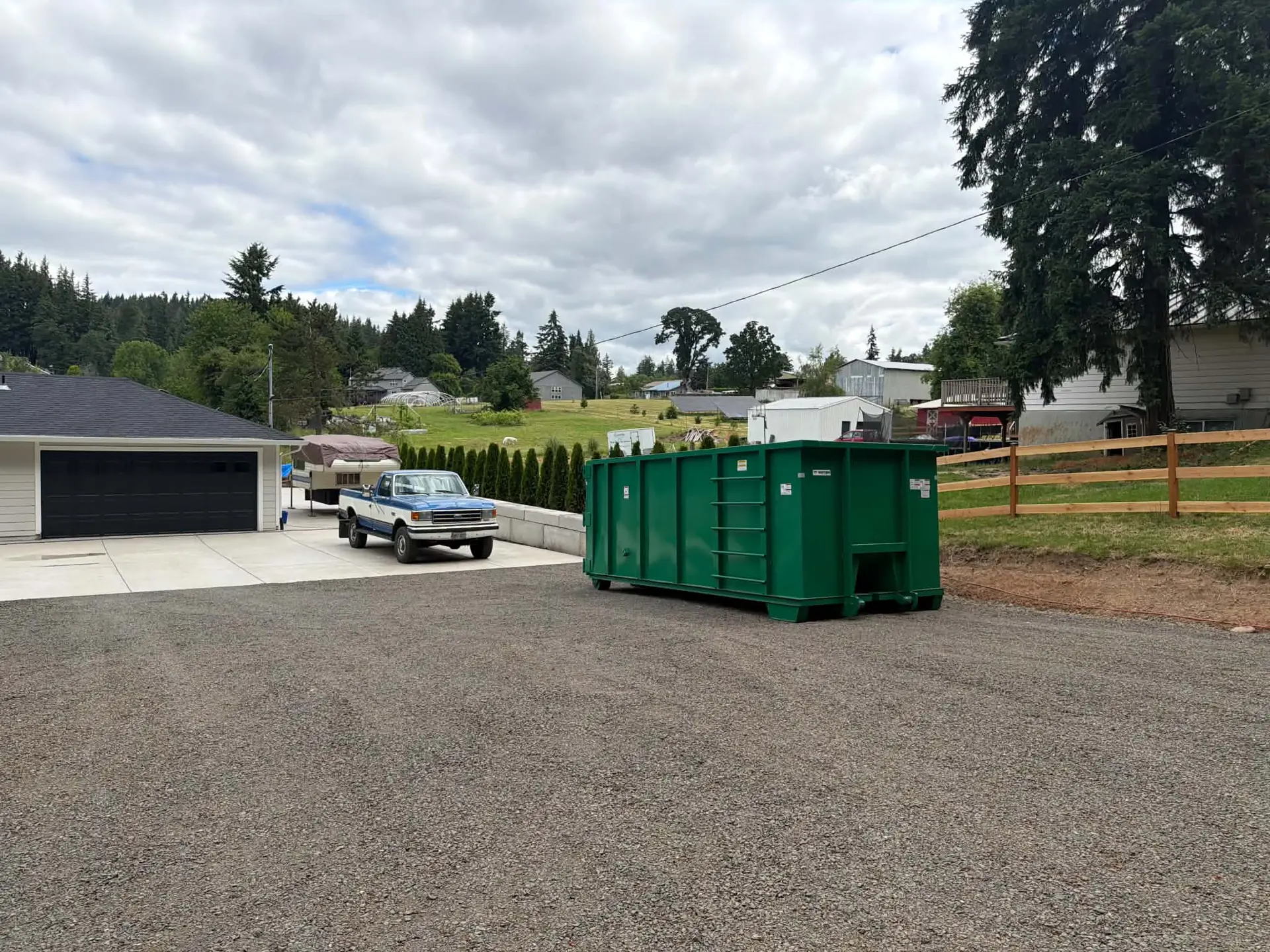
For a container on private property, confirm the location and delivery access with the team. If the plan involves a street or sidewalk, check Portland’s Temporary Street Use Permitting information first. Leave time to resolve placement and permissions before expecting a delivery.
Keep paint, batteries, chemicals, and unknown products separate from the ordinary cleanup. Metro’s household hazardous-waste guidance can help you find an appropriate disposal route. Check current acceptance requirements before making a trip.
Make a realistic final-day plan
Allow time for a last walk-through before pickup. Check that retained items have stayed out of the disposal pile and that you have followed the agreed loading instructions. Keep access clear and contact the team if your project needs more time.
For an initial quote, send your Portland address, item list, access notes, and preferred dates. Photos can help explain the amount and the route. A clear description is more useful than trying to guess an exact dumpster size without discussing the material.
- Define the rooms or spaces included.
- Separate keep, reuse, and removal items.
- Describe bulky items and special materials.
- Confirm the service, location, and schedule.
Explore your options
Compare the details, then tell us about your cleanup.
Useful local resources
Check the relevant authority for current requirements. General planning guidance does not replace confirmation of your materials, placement, and service terms.